Mini interviews – meet the people of Euro’Meet
Mini interviews – meet the people of EuroMeet
Menu
Menu
We offer a compelling programme, engaging activities, and an inspiring environment. But most importantly, we bring together people who are passionate about friluftsliv and outdoor sports. It is the participants who share knowledge, open new perspectives, and together create lasting memories.
Here, you can meet some of the many individuals contributing to Euro’Meet 2026 in Sundsvall – keynote speakers, researchers, athletes, outdoor professionals, and many others. New mini interviews will be published monthly in the lead-up to the conference, starting on 8 September.
Alasdair Skelton
Three quick questions with Alasdair Skelton, Professor of Geochemistry and Petrology Department of Geological Sciences, Stockholm University.
About Alasdair Skelton
Alasdair Skelton is a geochemist and petrologist with extensive experience in research, education, and public engagement. Originally from Scotland, he has lived and worked in Sweden for over two decades. His work bridges scientific research and hands-on learning, with a particular focus on climate change communication through climate walks and other nature-based experiences.
Alasdair is also an advocate for sustainable travel and has authored Going by Train, a guide promoting environmentally conscious train travel across Europe. At Euro’Meet 2026, he brings his expertise in connecting scientific knowledge, outdoor experiences, and societal engagement to the conference’s themes of sustainability, inclusion, and friluftsliv.
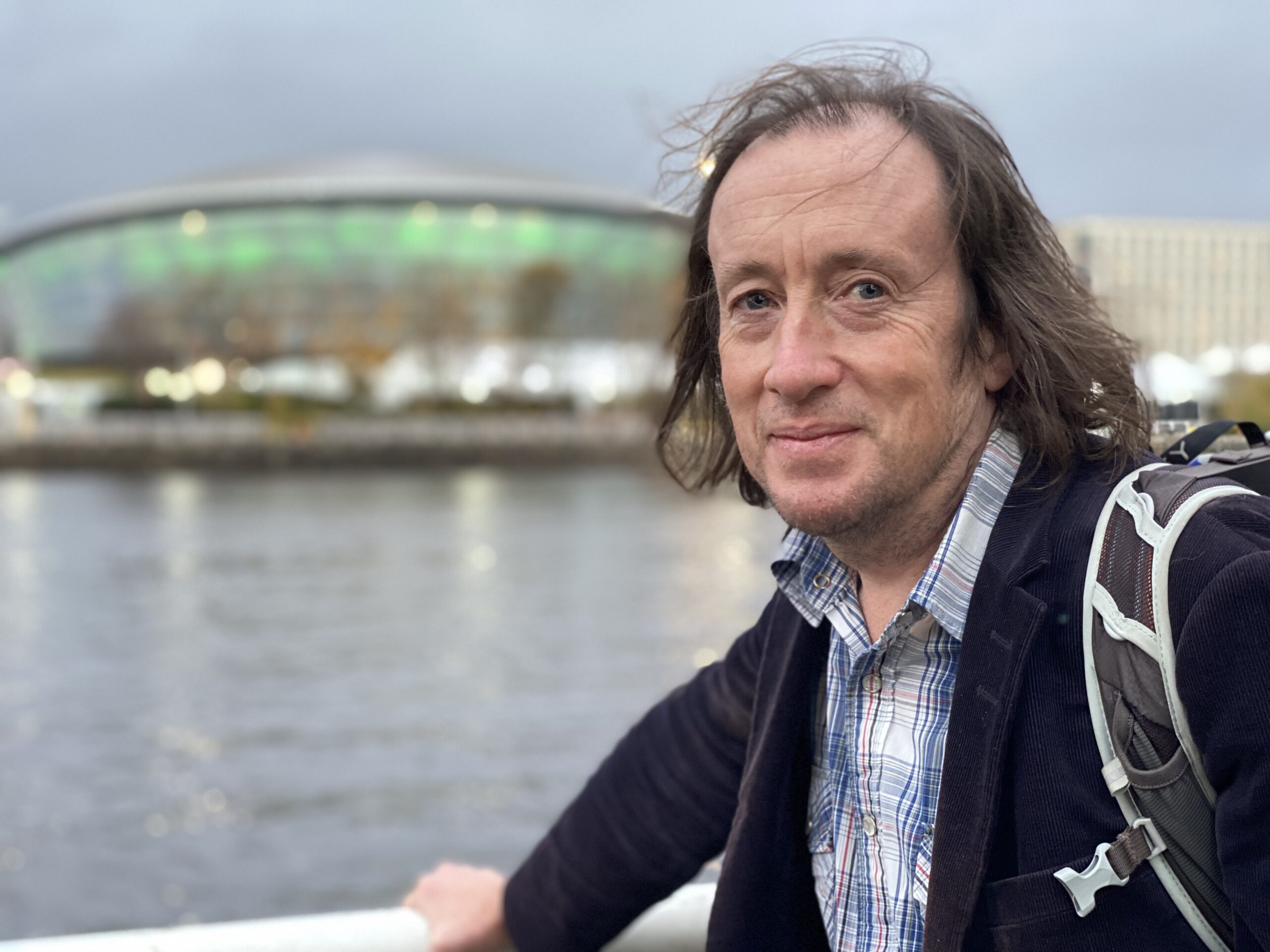
Foto: Caroline Falkman
Three quick questions
1. What do you find most exciting in your work right now?
I am a researcher working on geology, earthquakes, tsunamis and climate change. Although, I am passionate about research, my most important contribution to society is climate communication. I work with diverse audiences, using storytelling to make it easier for them to relate to the climate crisis in a manner that encourages action. In my work, I find that, although most of us understand that the climate crisis is a crisis in our minds, we find it far harder to feel that the climate crisis is a crisis in our hearts. Making this transition is a vital step towards meaningful climate action.
2. In your view, what role can outdoor experiences andfriluftslivplay in shifting societal values toward long-term environmental stewardship?
When I write or speak about the climate crisis, I write and speak about nature and how we relate to it. The perception that we, humans, are separate from (and superior to) nature underpins the agricultural and industrial revolutions which, in turn, underpin the climate crisis that is emerging and quickening all around us. Thus, meaningfully taking on the climate crisis, requires reuniting ourselves with nature, so that we can see ourselves as a part of nature and acknowledge that we must share this beautiful world on equal terms with 8.7 million other species of (mostly) plants and animals. As part of my own work, I take people on “climate walks” with the purpose of sharing with them the beauty of the climate system and how it is operating all around us, all the time, in manners that create safe havens for living things.
3. As someone who grew up in Scotland but has lived and worked in Sweden for many years, what should international participants not miss when Europe now gathers in Sweden for Euro’Meet?
I often think of Sundsvall as the birth place of the IPCC. This body of the United Nations creates a bridge from climate science to climate policy. Its first assessment report was agreed on in 1990 at a meeting held in Sundsvall. The meeting was attended by Bert Bolin, a Swedish climate scientist famed for participating in the first numerical weather forecast, and Mr. Ingvar Carlsson, Prime Minister of Sweden. In that assessment report, scientists and policymakers agreed that “emissions resulting from human activities […] will enhance the greenhouse effect, resulting on average in an additional warming of the Earth’s surface.” Gathering in the place not only where the journey that brought about the Paris agreement begun, but also in a landscape that bears witness to the power of climate – a landscape that is literally rising out of the sea and a landscape that will ultimately be submerged again if we follow a pathway of climate inaction – is an occasion not to be missed.
Peter Fredman
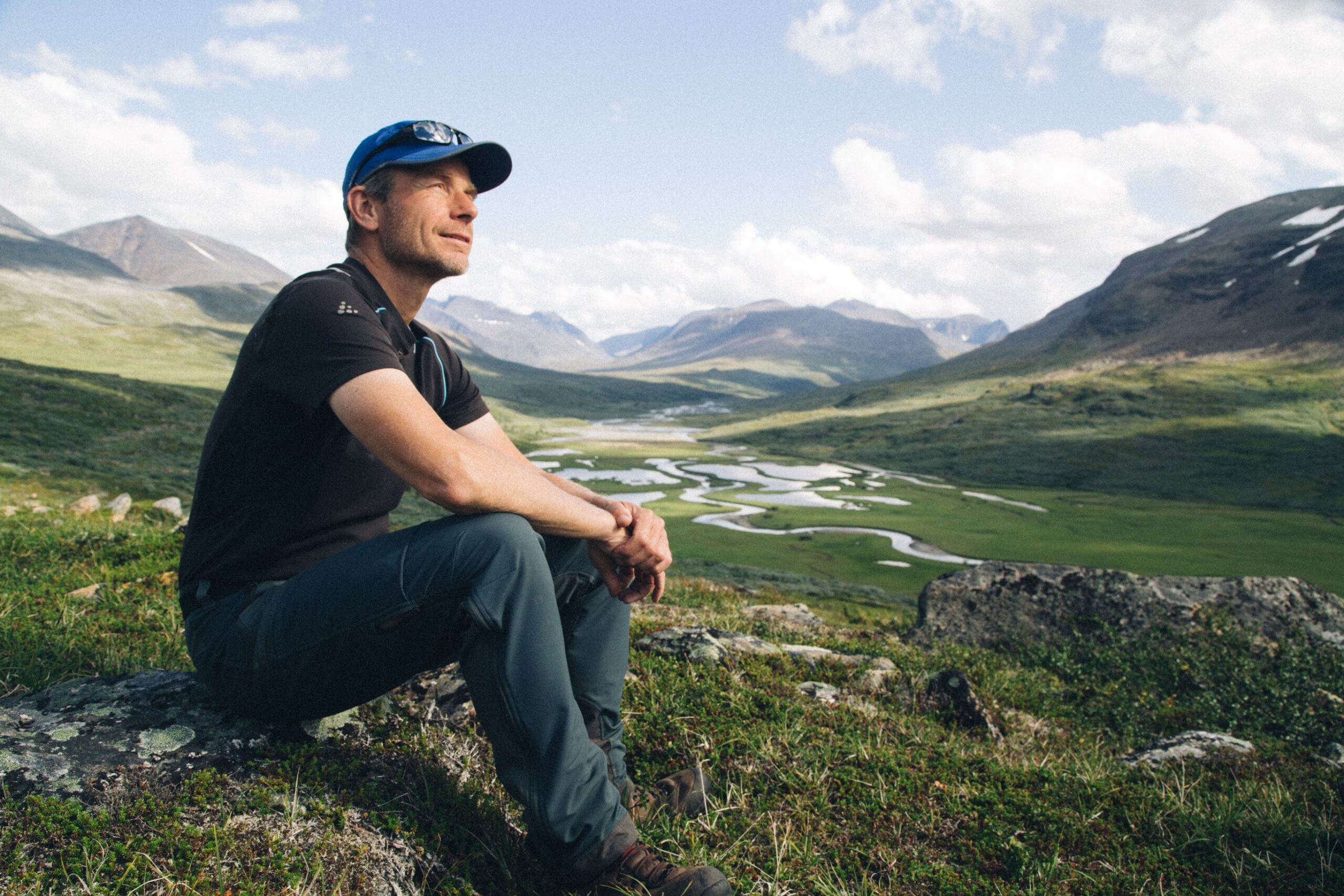
Three quick questions with Peter Fredman, professor of tourism studies at Mid Sweden University – and keynote speaker at Euro’Meet 2026.
About Peter Fredman
Peter Fredman is a professor of tourism studies at Mid Sweden University and the Norwegian University of Life Sciences focusing on outdoor recreation, friluftsliv, and nature-based tourism. Based in Sweden and Norway, he has conducted extensive research on trends in outdoor sports, visitor management and collaboration for sustainable practices. Peter combines academic insight with practical engagement, exploring how research can inform policy and public participation in outdoor recreation. He also serves on the boards of Svenskt Friluftsliv and the Swedish Tourist Association (STF). Peter is one of the keynote speakers at Euro’Meet 2026.
Three quick questions
1. What are you most looking forward to asone ofthe keynote speakers at Euro’Meet 2026?
There are several things, of course. I hope both to inspire and to be inspired, to share knowledge and to engage in meaningful exchanges with participants. As EuroMeet is being held in Sweden for the first time, I am particularly keen to highlight the features of “friluftsliv” in this part of the Nordics and the relationship between outdoor activities and nature. As a researcher, I also find it essential to emphasise the value of collaboration – between research and practice, between academia and outdoor organisations, and with those responsible for managing and stewarding natural environments. In short, the added value that comes from working together. In my keynote, I will share examples from Mistra Sport & Outdoors, a research and collaboration programme where more than 100 researchers and practitioners co-created solutions for more sustainable outdoor sports.
2. What do you consider especially important about this year’s Euro’Meet?
We are living in very turbulent geopolitical times. In this context, it feels particularly important to discuss how “friluftsliv” and outdoor sports can contribute to more resilient societies. What often comes to peoples’ mind is what outdoor activities can offer in terms of civil preparedness and nature skills, but we must continue to prioritise environmental sustainability, inclusion, and accessibility. Today, many people grow up in urban environments and may not develop a natural connection to nature. This raises several important questions: how do we build relationships with nature, can digital tools play a role in this, and what does that mean for how outdoor activities are practised?
3. In your view, what are the key challenges and opportunities for “friluftsliv” and nature-based tourism today?
Recreation in the outdoors is loved by many and practised by even more. As such it provides great opportunities for healthier and more inclusive societies. Thus, it is critical to safeguard equal opportunities to participate as well as good accessibility to nature. I do, however, feel that environmental sustainability has somewhat slipped into the background given the turbulent political situation in the world right now. Access to attractive nature areas is critical for the future of “friluftsliv”. But we must also ensure that outdoor activities themselves are sustainable while safeguarding the natural and cultural landscapes in which they take place. There is a risk that investments in environmental protection and visitor management fall short of what is needed. In times of uncertainty, the outdoor movement must therefore take on greater responsibility for keeping sustainability firmly on the agenda.
Josefine Åhrman
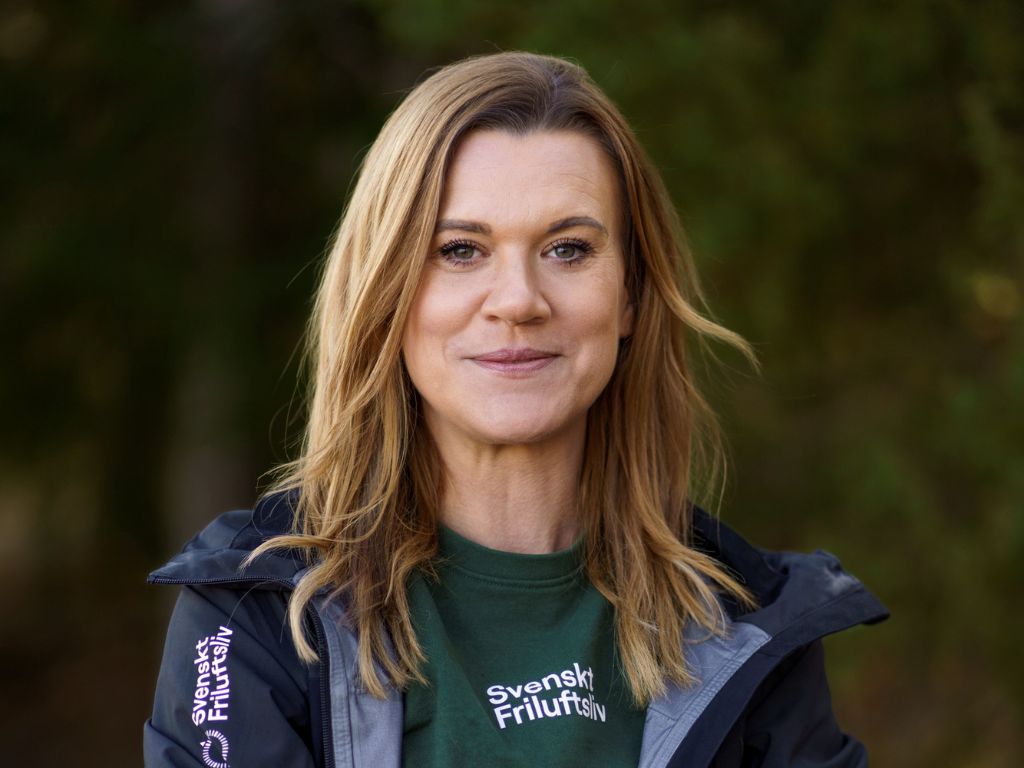
Three quick questions with Josefine Åhrman, Secretary General of Svenskt Friluftsliv, as Sweden prepares to host Euro’Meet 2026 for the first time.
About Josefine Åhrman
Josefine Åhrman is the Secretary General of Svenskt Friluftsliv, representing Sweden’s outdoor recreation movement and its member organisations. She works to strengthen friluftsliv and its role in society – from public health and inclusion to sustainability and social cohesion. She is proud that Sweden will host Euro’Meet 2026 for the first time, and looks forward to welcoming Europe to Sundsvall.
Three quick questions
1.Now that Sweden is hostingEuro’Meet for the first time, what do you hope visitors from across Europe will experience here?
I hope our European guests will experience what makes Swedish friluftsliv so distinctive: the close relationship with nature and the way the outdoors is naturally woven into everyday life. A cornerstone of this is Allemansrätten – the Right of Public Access. The freedom to move through nature also comes with responsibility, and I believe many visitors will be inspired by how this creates both engagement and a strong sense of shared participation. I also hope visitors will see the strength of our civil society and the way organisations, public bodies and volunteers work together. In Sweden, friluftsliv is not only something we do – it is part of the way society is shaped, part of our culture, and part of our identity. To be able to share that with Europe feels truly significant.
2.If you had to choose one thing, what feels most important for organised outdoor recreation in Sweden right now?
Right now, the most important thing is to strengthen inclusion in friluftsliv. At a time when both society and everyday life are changing rapidly, we need to make sure that nature is accessible to everyone – regardless of background, disability, financial circumstances or where they live. The ability of outdoor recreation to contribute to public health, community and a sense of security is becoming more important all the time. To make this possible, we need long-term collaboration: continuing to develop safe and accessible environments, building bridges between organisations, and actively removing the barriers that still remain. When more people feel welcome in nature, it strengthens individuals, associations and society as a whole.
3.WhenEuro’Meet 2026 is over, what do you hope we will have set in motion?
I hope Euro’Meet 2026 will leave behind a stronger European network for outdoor recreation, where we continue to share knowledge, ideas and ways of working long after the conference itself has ended. But I also hope it will create new energy here in Sweden, with an even clearer shared focus on the role of friluftsliv in society and the confidence to keep developing new solutions together. If Euro’Meet can serve as a catalyst for greater inclusion, stronger collaboration and a deeper understanding of the importance of nature in people’s lives, then we will truly have set something valuable in motion.
Johan Faskunger
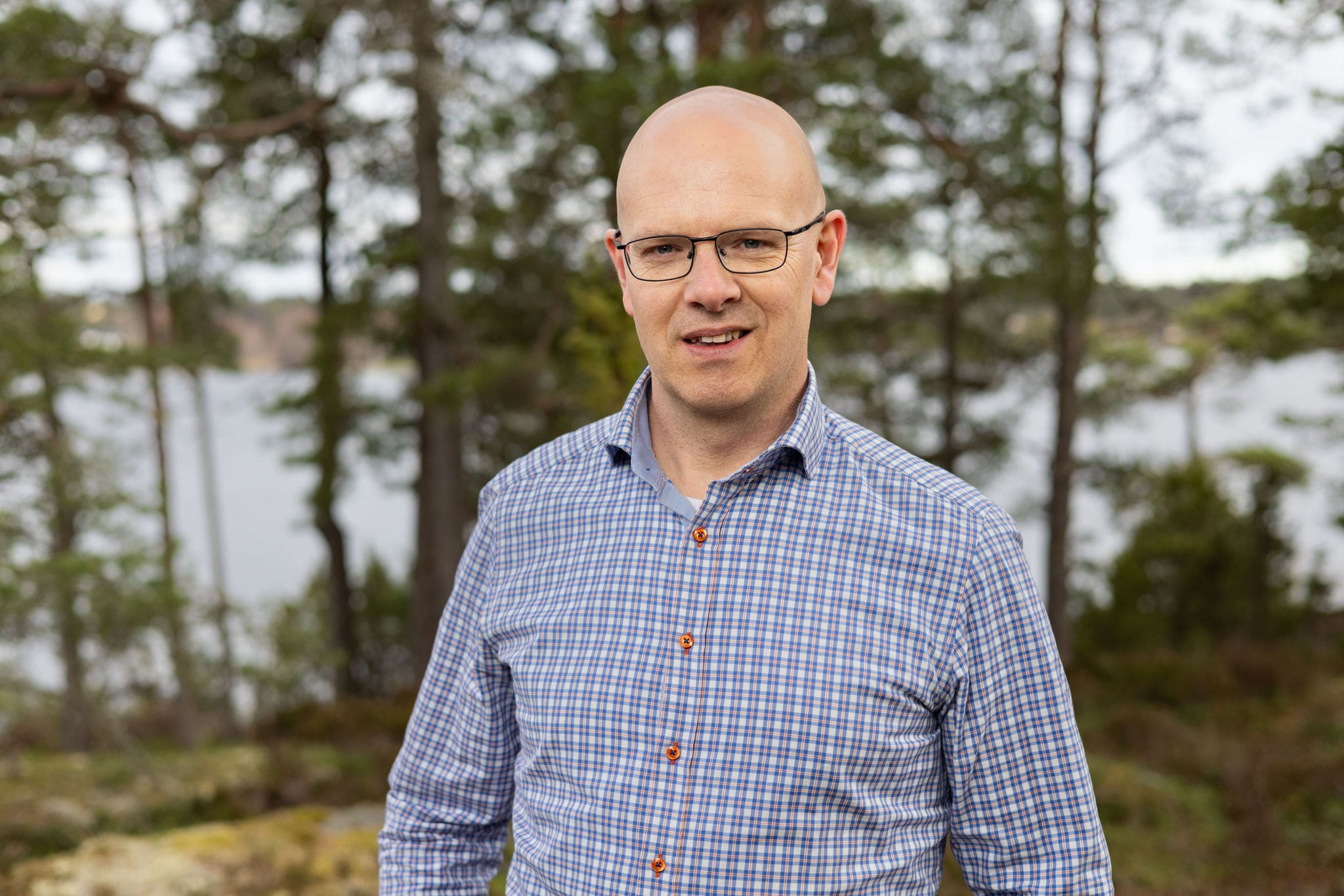
Three quick questions with Johan Faskunger, Project Manager for Euro’Meet 2026 and Senior Advisor at Svenskt Friluftsliv.
About Johan Faskunger
Johan Faskunger is a Senior Advisor at Svenskt Friluftsliv, specialising in physical activity and public health. He produces reports and evidence syntheses and frequently speaks on how research can be turned into practical action and policy within outdoor sports and friluftsliv. He is also the Project Manager for Euro’Meet 2026 in Sundsvall.
Three quick questions
1. Why should people attendEuro’Meet?
Euro’Meet is Europe’s leading conference on outdoor recreation and friluftsliv, attracting everyone from experts and researchers to outdoor organisations and people who work in everyday practice to promote outdoor life, sustainability, and access to nature. It is a participatory conference, which means everyone is encouraged to take an active role. It offers a unique exchange of experience, opportunities to build connections across borders, and is often the first step towards joint projects and collaboration. The conference will give participants tools, inspiration, and a lifelong memory from a unique and attractive location: Södra Berget, Sundsvall.
2. Which of the conference’s three themes do you find most exciting?
All three themes are, of course, essential for friluftsliv and the outdoor movement, but if I must choose, I would say Inclusion & Diversity. For me, that also includes lowering barriers to participation. This theme is such a good example of what can be achieved through outdoor life and the work of associations and organisations. Outdoor life is not only valuable for those who take part in it. It is also a priority public health area, and outdoor recreation has unique potential to reach new and less experienced groups in society. I think this is something many people are eager to learn more about – how to do it in practice, and what challenges need to be addressed.
3. If you could choose one thing that would genuinely help morepeopleget involved in outdoor life – especially groups that are often left out – what would you invest in?
Research is clear that there is no single intervention that can create enough momentum to deliver major change. What is needed is a combination of efforts and long-term collaboration between different actors. I would like to see initiatives where the whole local community is engaged – including outdoor organisations and residents themselves – with the goal of increasing participation in outdoor life and strengthening people’s connection to nature. I believe a great deal can be achieved there with relatively limited resources.
Secure your spot!
Registration for Euro’Meet 2026 is now open, with early-bird rates available for a limited time.
You can also explore the first draft of the three-day conference programme, learn more about selected outdoor activities, and find practical information on travel to and accommodation in Sundsvall.
In the months leading up to the conference, we will introduce speakers, organisers, and contributors through a series of mini interviews – offering insights into the people, ideas, and perspectives that shape Euro’Meet 2026.
It’s time to secure your place among colleagues, practitioners, researchers, and outdoor enthusiasts from across Europe for three days of shared experiences, open knowledge-sharing, and meaningful conversations.
Host and partners


