Mini interviews – meet the people of Euro’Meet
Mini interviews – meet the people of EuroMeet
Menu
Menu
We offer a compelling programme, engaging activities, and an inspiring environment. But most importantly, we bring together people who are passionate about friluftsliv and outdoor sports. It is the participants who share knowledge, open new perspectives, and together create lasting memories.
Here, you can meet some of the many individuals contributing to Euro’Meet 2026 in Sundsvall – keynote speakers, researchers, athletes, outdoor professionals, and many others. New mini interviews will be published monthly in the lead-up to the conference, starting on 8 September.
Alasdair Skelton
Three quick questions with Alasdair Skelton, Professor of Geochemistry and Petrology Department of Geological Sciences, Stockholm University.
About Alasdair Skelton
Alasdair Skelton is a geochemist and petrologist with extensive experience in research, education, and public engagement. Originally from Scotland, he has lived and worked in Sweden for over two decades. His work bridges scientific research and hands-on learning, with a particular focus on climate change communication through climate walks and other nature-based experiences.
Alasdair is also an advocate for sustainable travel and has authored Going by Train, a guide promoting environmentally conscious train travel across Europe. At Euro’Meet 2026, he brings his expertise in connecting scientific knowledge, outdoor experiences, and societal engagement to the conference’s themes of sustainability, inclusion, and friluftsliv.
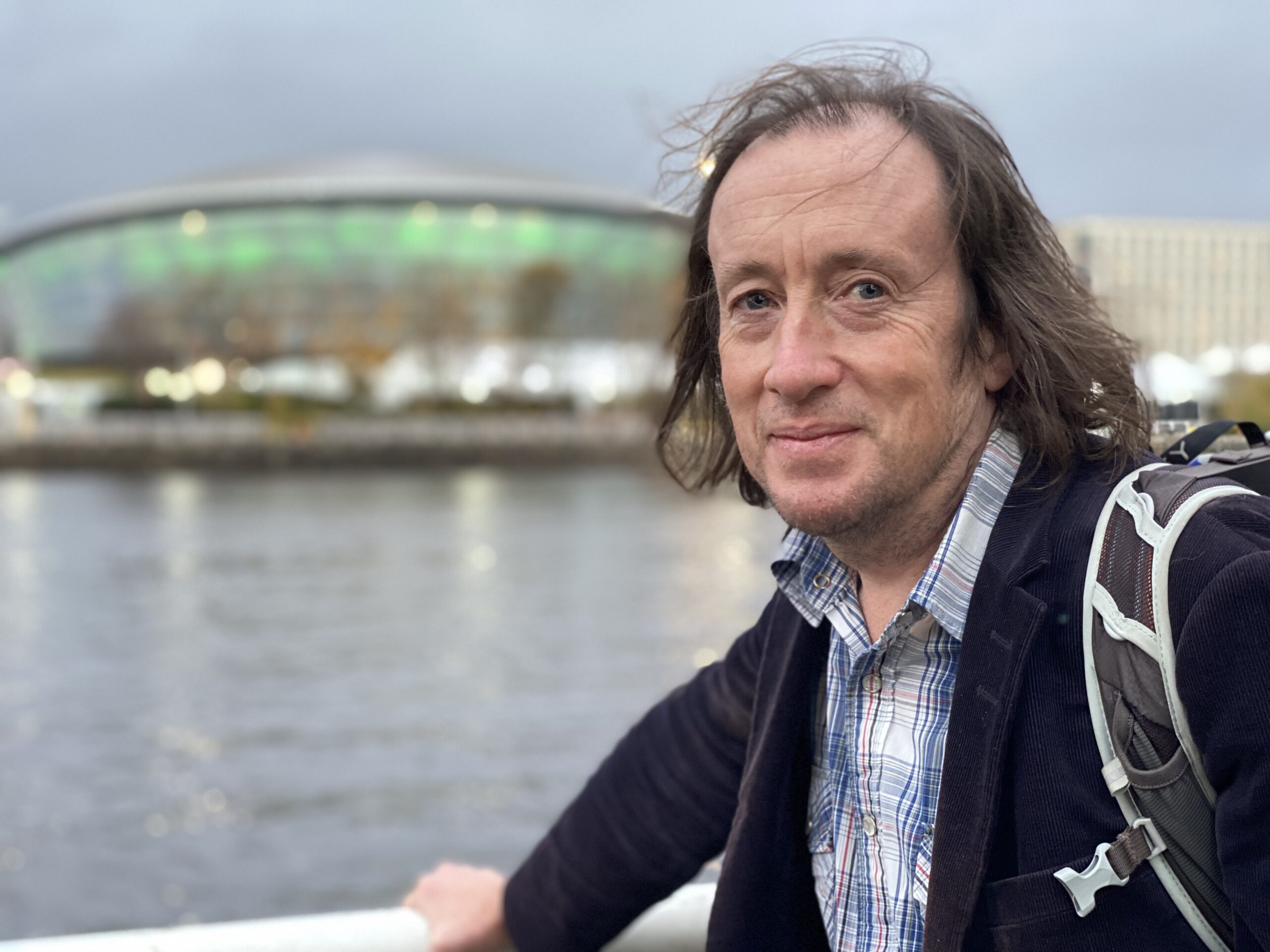
Foto: Caroline Falkman
Three quick questions
1. What do you find most exciting in your work right now?
I am a researcher working on geology, earthquakes, tsunamis and climate change. Although, I am passionate about research, my most important contribution to society is climate communication. I work with diverse audiences, using storytelling to make it easier for them to relate to the climate crisis in a manner that encourages action. In my work, I find that, although most of us understand that the climate crisis is a crisis in our minds, we find it far harder to feel that the climate crisis is a crisis in our hearts. Making this transition is a vital step towards meaningful climate action.
2. In your view, what role can outdoor experiences andfriluftslivplay in shifting societal values toward long-term environmental stewardship?
When I write or speak about the climate crisis, I write and speak about nature and how we relate to it. The perception that we, humans, are separate from (and superior to) nature underpins the agricultural and industrial revolutions which, in turn, underpin the climate crisis that is emerging and quickening all around us. Thus, meaningfully taking on the climate crisis, requires reuniting ourselves with nature, so that we can see ourselves as a part of nature and acknowledge that we must share this beautiful world on equal terms with 8.7 million other species of (mostly) plants and animals. As part of my own work, I take people on “climate walks” with the purpose of sharing with them the beauty of the climate system and how it is operating all around us, all the time, in manners that create safe havens for living things.
3. As someone who grew up in Scotland but has lived and worked in Sweden for many years, what should international participants not miss when Europe now gathers in Sweden for Euro’Meet?
I often think of Sundsvall as the birth place of the IPCC. This body of the United Nations creates a bridge from climate science to climate policy. Its first assessment report was agreed on in 1990 at a meeting held in Sundsvall. The meeting was attended by Bert Bolin, a Swedish climate scientist famed for participating in the first numerical weather forecast, and Mr. Ingvar Carlsson, Prime Minister of Sweden. In that assessment report, scientists and policymakers agreed that “emissions resulting from human activities […] will enhance the greenhouse effect, resulting on average in an additional warming of the Earth’s surface.” Gathering in the place not only where the journey that brought about the Paris agreement begun, but also in a landscape that bears witness to the power of climate – a landscape that is literally rising out of the sea and a landscape that will ultimately be submerged again if we follow a pathway of climate inaction – is an occasion not to be missed.
Gilian Rosh
Three quick questions with Gilian Rosh, Community Engagement & Brand Activation at Opening Up The Outdoors (OUTO) and board member ENOS.
About Gilian Rosh
Gillian Rosh works with Opening Up The Outdoors (OUTO) to bring together communities and brands in creating a more inclusive outdoor industry. She is passionate about building intersectional impact by reducing barriers and making the outdoors a more welcoming space. When she’s not doing that, you’ll likely find her skiing or (slowly but surely) trail running in the French Alps.

Three quick questions
1. Your workshop focuses on how we can create a more inclusive and diverse outdoor community. What are the keys to achieving that, according to you and your research?
Through our research, we identify four main barriers: culture, action, conversation, and access. I can speak about one of them here – culture. The narratives and stories we tell about the outdoors create walls. The “we” here is brands, sports associations, NGOs, policymakers, etc. We create and promote stories about certain people going to certain places, normally doing a big, big mission, and that’s it. It’s not reflective of how everyone gets outdoors, and it’s definitely not reflective of the future.
2. Physical environments, social environments, political environments… achieving more inclusive and diverse outdoor communities often requires collaboration among many different stakeholders–stakeholders who are sometimes not used to collaborating with each other. Can you elaborate on that challenge?
Maybe it’s not that people aren’t accustomed to collaborating with each other, but rather that people are used to their own way of collaborating. Brands have a different vision and approach to collaboration than local governments. While this can lead to some complexities, I think the first step of any good collaboration is alignment on values and mission.
3. What are you most looking forward to when visiting Sweden, Sundsvall, SödraBergetand Euro’Meet 2026?
I must give a shout-out – I am most excited about cycling with Hugo Röjgård of Cykelfrämjandet. I also think a favourite part of any event for me is spending time outdoors.
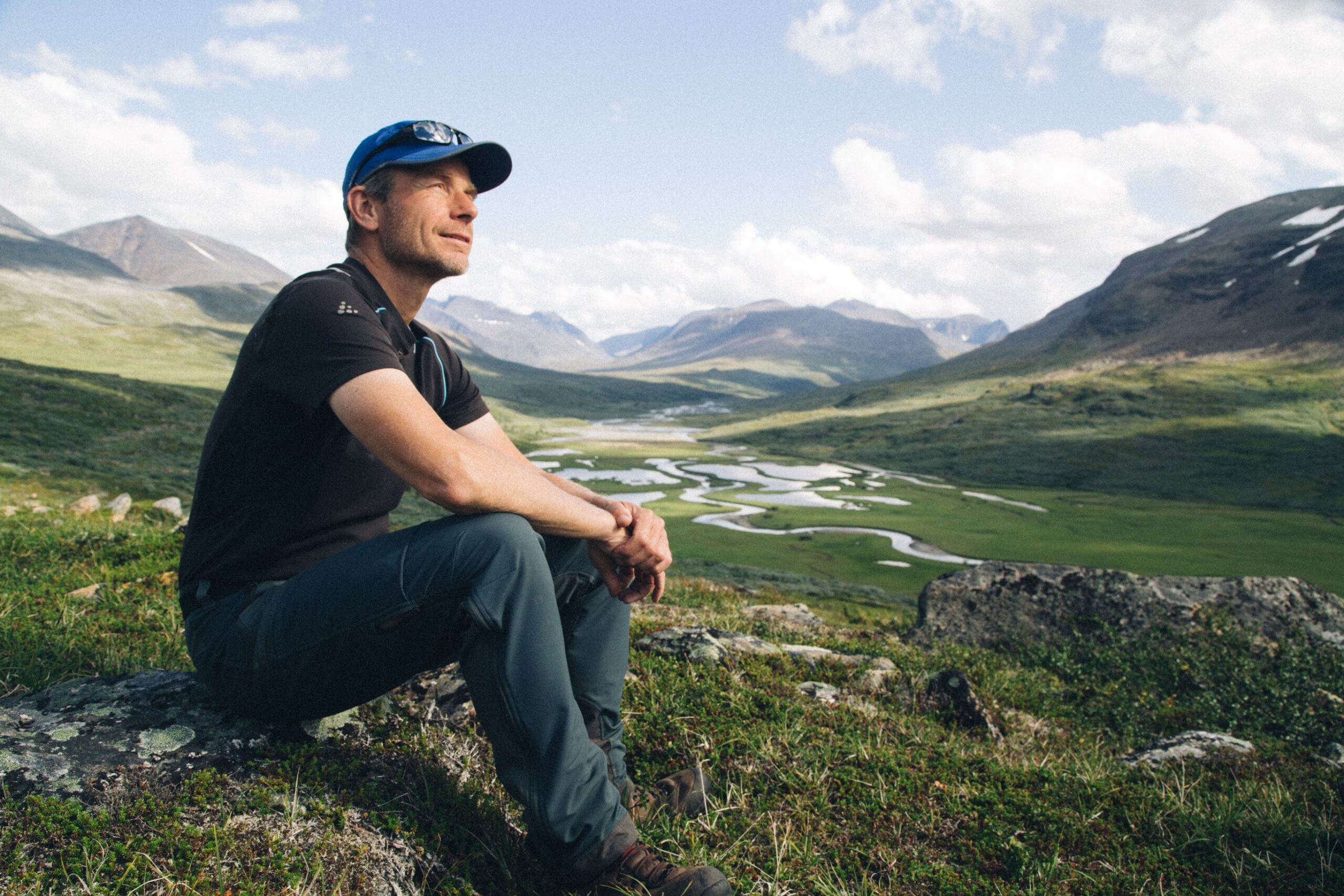
Peter Fredman
Three quick questions with Peter Fredman, professor of tourism studies at Mid Sweden University – and keynote speaker at Euro’Meet 2026.
About Peter Fredman
Peter Fredman is a professor of tourism studies at Mid Sweden University and the Norwegian University of Life Sciences focusing on outdoor recreation, friluftsliv, and nature-based tourism. Based in Sweden and Norway, he has conducted extensive research on trends in outdoor sports, visitor management and collaboration for sustainable practices. Peter combines academic insight with practical engagement, exploring how research can inform policy and public participation in outdoor recreation. He also serves on the boards of Svenskt Friluftsliv and the Swedish Tourist Association (STF). Peter is one of the keynote speakers at Euro’Meet 2026.
Three quick questions
1. What are you most looking forward to asone ofthe keynote speakers at Euro’Meet 2026?
There are several things, of course. I hope both to inspire and to be inspired, to share knowledge and to engage in meaningful exchanges with participants. As EuroMeet is being held in Sweden for the first time, I am particularly keen to highlight the features of “friluftsliv” in this part of the Nordics and the relationship between outdoor activities and nature. As a researcher, I also find it essential to emphasise the value of collaboration – between research and practice, between academia and outdoor organisations, and with those responsible for managing and stewarding natural environments. In short, the added value that comes from working together. In my keynote, I will share examples from Mistra Sport & Outdoors, a research and collaboration programme where more than 100 researchers and practitioners co-created solutions for more sustainable outdoor sports.
2. What do you consider especially important about this year’s Euro’Meet?
We are living in very turbulent geopolitical times. In this context, it feels particularly important to discuss how “friluftsliv” and outdoor sports can contribute to more resilient societies. What often comes to peoples’ mind is what outdoor activities can offer in terms of civil preparedness and nature skills, but we must continue to prioritise environmental sustainability, inclusion, and accessibility. Today, many people grow up in urban environments and may not develop a natural connection to nature. This raises several important questions: how do we build relationships with nature, can digital tools play a role in this, and what does that mean for how outdoor activities are practised?
3. In your view, what are the key challenges and opportunities for “friluftsliv” and nature-based tourism today?
Recreation in the outdoors is loved by many and practised by even more. As such it provides great opportunities for healthier and more inclusive societies. Thus, it is critical to safeguard equal opportunities to participate as well as good accessibility to nature. I do, however, feel that environmental sustainability has somewhat slipped into the background given the turbulent political situation in the world right now. Access to attractive nature areas is critical for the future of “friluftsliv”. But we must also ensure that outdoor activities themselves are sustainable while safeguarding the natural and cultural landscapes in which they take place. There is a risk that investments in environmental protection and visitor management fall short of what is needed. In times of uncertainty, the outdoor movement must therefore take on greater responsibility for keeping sustainability firmly on the agenda.
Lisa Mari Watson
Three quick questions with Lisa Mari Watson, Managing Director at Tverga, Norway’s national resource centre for self-organised sport and physical activity – and keynote speaker at Euro’Meet 2026.
About Lisa Mari Watson
Lisa Mari Watson is Managing Director of Tverga, Norway’s national resource centre for self-organised sport and physical activity. Tverga works to strengthen knowledge, policy and practice that support active, inclusive and accessible environments for everyday movement and recreation. Drawing on her experience from the Norwegian Snowboard Federation and Tverga, she explores the relationship between organised sport, self-organised activity, informal learning, community ownership and public space – helping shift the conversation from how we organise more activity to how we create environments that support active lives.

Three quick questions
1. Tell us about yourself and your work at Tverga – what’s the exciting part of what you do?
My engagement with physical activity started long before I began working with it professionally. When I was ten, my family moved from England to Geilo. I felt different and a bit like an outsider. I had no relationship with friluftsliv or outdoor activity, while many people around me had grown up with skiing, the outdoors and a culture I didn’t know. It wasn’t until I was fourteen, when a friend lent me a snowboard, that I found an environment where I truly felt I belonged. That became a turning point that has shaped both my life and my career.
Today I’m Managing Director of Tverga, the resource centre for self-organised sport and physical activity. We work to give more people access to good meeting places for physical activity, collaborating with municipalities, research communities and organisations to develop places that invite movement, community and curiosity.
For me, this is about far more than physical activity. It’s about creating places where people can find belonging, build confidence and experience mastery – just as I once did myself.
2. You seem passionate about creating inclusive and dynamic environments for increased physical activity and the joy of movement. How do we create inclusive and dynamic environments for outdoor sports and friluftsliv?
I think we often start with the wrong question. We ask which activities we should build for, when we should instead be asking which people we want to reach.
My own story taught me that what changed my life wasn’t an organised offering. It was a place where I had the freedom to try, fail and develop together with other young people.
That’s why I believe good activity environments need to be open, flexible and invite many different ways of using them. Nature is a fantastic starting point, because it offers variation, challenges and experiences that suit different people in different ways.
Our most important task isn’t to plan everything that should happen in a place. It’s to create places where people feel welcome, curious and want to stay.
3. What do you want participants at Euro’Meet to take away from your keynote?
I hope participants leave with a slightly broader perspective on what actually creates physical activity. We often talk about how to get more people moving. I think we also need to talk more about how we create places people want to be in. My main message is that the best meeting places aren’t necessarily the most organised ones. They’re often the ones that leave room for freedom, exploration, spontaneous encounters and experiences that can’t be planned. I also hope participants will be inspired to think a little differently about the value of self-organised activity. For some people, a single encounter, a place or an activity can be enough to change the direction of an entire life. I know that, because it happened to me.
Fiona Spotswood
Three (+1) quick questions with Professor Fiona Spotswood of the University of Bristol – and workshop facilitator at Euro’Meet 2026.
About Fiona Spotswood
Fiona Spotswood is a Professor at the University of Bristol. Her research focuses on social marketing, behaviour change, and the social and cultural dimensions of sport and physical activity, with a strong emphasis on inclusion and sustainable participation. She works with organisations across the sport and physical activity sector and has an interest in inclusive and sustainable approaches to sport and physical activity.

Four quick questions
1. What do you see as the biggest barriers to gender inclusion in outdoor sports today?
It’s important to recognise that outdoor sports have changed significantly. Compared with even a decade or two ago, there is far greater awareness of inequality and much stronger efforts to address exclusion through grassroots organising, policy development, and industry initiatives. Despite this progress, systemic inequalities remain. Women continue to participate less, hold fewer leadership roles, and are underrepresented across the outdoor sector. There is still considerable scope to improve opportunities for women and girls.
Through our FIAS work, we focus on the strategies that shape participation – marketing and media representation, training, education, and programme design. When these strategies are co-created with women, they are more likely to reflect women’s experiences, needs, and starting points in sport. When women are underrepresented in decision-making, the resulting policies and practices often look very different.
Ultimately, the biggest barriers are cultural and historical. Gender inequalities persist because they are embedded in everyday norms and expectations – in families, workplaces, and leisure activities. To understand exclusion in outdoor sports, we need to look beyond sport itself and consider broader patterns of gendered domestic labour, recreation, and access to leisure, which vary across different social, economic, and cultural contexts.
2. Your workshop at Euro’Meet introduces the FIAS Framework as a tool for driving gender inclusion. What makes this approach different from more traditional equality and inclusion initiatives?
FIAS is grounded on a large-scale, multi-sited ethnographic research project designed to understand women’s experiences of participating in a traditionally male-dominated, masculine-ethos sport (mountain biking). We interrogated those insights with a range of national, regional, and community organisations and co-created the FIAS Framework and a range of other impact resources.
The Framework helps outdoor sports organisations drive long-term cultural change in their sport rather than simply increasing women’s participation or meeting diversity targets. At the heart of the framework is a focus on inclusive outdoor sport communities, led by women+, as an important foundation for wider-scale cultural shift. These transform women’s recruitment and participation journeys and help turn participants into leaders who can help reproduce the sport’s culture differently in the future.
Rather than concentrating solely on women’s recruitment and access to sport, FIAS also seeks to challenge the norms, values, and assumptions that can make action sports feel exclusionary. As such, community building intersects with three other key areas, and the relationship between these areas is crucial. These are: building inclusive opportunities, services and infrastructure; diversifying leadership; and transforming media and marketing representation. All four areas together represent a roadmap to cultural shift in outdoor sport.
3. The FIAS Framework is the backbone of a strategy development tool that supports organisations to strengthen their existing work,identify gaps and opportunities, build coalitions with others, and develop a shared language and strategic approach to long-term, gender-progressive practice.
How can greater gender inclusion strengthen outdoor sports and outdoor recreation for everyone?
All sports are different and have their own cultures and subcultures, but most were developed and reproduced with male, white protagonists and along hegemonic masculine lines. This limits ‘who gets to play’ and how outdoor sports should be enjoyed and valued.
Driving greater gender inclusion strengthens outdoor sports for everyone because it can broaden and validate different ways of participating and what participants look and act like. Diversification of people and practice creates more welcoming and resilient communities. In particular, when there are diverse leaders, coaches, guides, and decision-makers, the diversity of outdoor sports communities becomes self-sustaining.
The key is focusing consistently on those who have been historically marginalised. This focus will not alienate those who are already included, but will lead to more accessible programmes, better-designed facilities, and more supportive cultures that benefit everyone.
4. What do you look forward to most about visiting Sweden, Sundsvall, SödraBerget and Euro’Meet 2026?
FIAS is in the process of expanding its reach in Europe, and I am very much looking forward to meeting people working in a diverse range of outdoor sports, to hear their experiences and learn about the programmes and projects they are involved in. FIAS evolves constantly as we learn about the excellent practice that is making a real difference to inclusion in outdoor sports, so I am there to learn and listen as well as introduce our work.
I am also really looking forward to exploring this corner of Sweden and spending some time on the trails with other like-minded outdoors people. It will be my first Euro’Meet, and as a new ENOS board member I am exceptionally proud to be there and grateful for the opportunity to connect with such a diverse and interesting group of people.
David Mathiasson
Three quick questions with David Mathiasson, Operations Manager at Fritidsbanken Sverige and part of the team on site at Euro’Meet 2026.
About David Mathiasson
David Mathiasson is Operations Manager at Fritidsbanken Sverige, responsible for managing, coordinating and developing the organisation across Sweden.

Three quick questions
1. For those unfamiliar with Fritidsbanken, what do you do and how does it work
In storage rooms, garages and attics around Sweden, there is plenty of sports and leisure equipment that is rarely or never used. It can be skates that no longer fit, skis that are too short or football boots that have become too small. At Fritidsbanken, we gratefully accept all kinds of equipment and lend it free of charge to others. The loan period is 14 days, and the idea is to make it easy for everyone to try different leisure activities at no cost. Today, Fritidsbanken has more than 130 locations across Sweden, from the far north to the very south.
2. What results has Fritidsbanken achieved over the years?
Lending has increased steadily each year. Last year, Fritidsbanken’s locations lent out a total of 2.2 million items of sports and leisure equipment. Together, we contributed to 3.2 million hours of physical activity that otherwise would not have taken place.
3. What will Fritidsbanken bring to Euro’Meet 2026?
Our primary task is to engage visitors in our activity area. The area will be equipped with a wide range of sports and leisure equipment, free for everyone to try. In addition, we will have the opportunity to promote Fritidsbanken’s mission and work through workshops and seminars. We look forward to promoting Fritidsbanken’s mission and to being inspired by others who share our commitment to sustainability, access to nature, accessibility, inclusion and diversity.
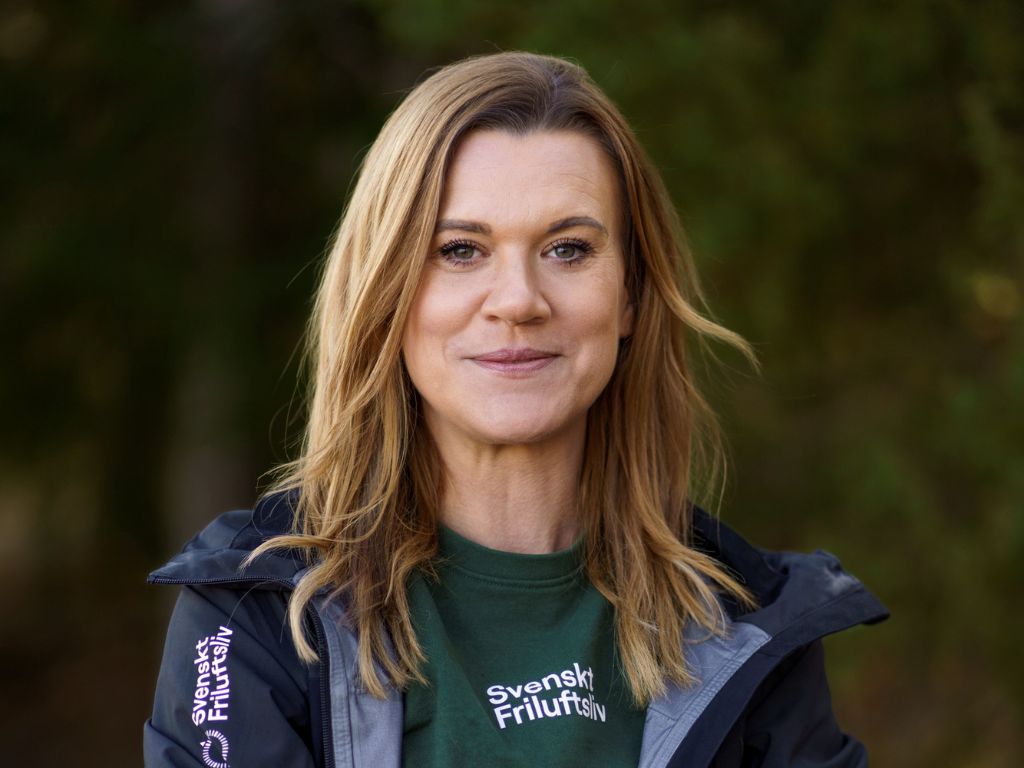
Josefine Åhrman
Three quick questions with Josefine Åhrman, Secretary General of Svenskt Friluftsliv, as Sweden prepares to host Euro’Meet 2026 for the first time.
About Josefine Åhrman
Josefine Åhrman is the Secretary General of Svenskt Friluftsliv, representing Sweden’s outdoor recreation movement and its member organisations. She works to strengthen friluftsliv and its role in society – from public health and inclusion to sustainability and social cohesion. She is proud that Sweden will host Euro’Meet 2026 for the first time, and looks forward to welcoming Europe to Sundsvall.
Three quick questions
1. Now that Sweden is hostingEuro’Meet for the first time, what do you hope visitors from across Europe will experience here?
I hope our European guests will experience what makes Swedish friluftsliv so distinctive: the close relationship with nature and the way the outdoors is naturally woven into everyday life. A cornerstone of this is Allemansrätten – the Right of Public Access. The freedom to move through nature also comes with responsibility, and I believe many visitors will be inspired by how this creates both engagement and a strong sense of shared participation. I also hope visitors will see the strength of our civil society and the way organisations, public bodies and volunteers work together. In Sweden, friluftsliv is not only something we do – it is part of the way society is shaped, part of our culture, and part of our identity. To be able to share that with Europe feels truly significant.
2. If you had to choose one thing, what feels most important for organised outdoor recreation in Sweden right now?
Right now, the most important thing is to strengthen inclusion in friluftsliv. At a time when both society and everyday life are changing rapidly, we need to make sure that nature is accessible to everyone – regardless of background, disability, financial circumstances or where they live. The ability of outdoor recreation to contribute to public health, community and a sense of security is becoming more important all the time. To make this possible, we need long-term collaboration: continuing to develop safe and accessible environments, building bridges between organisations, and actively removing the barriers that still remain. When more people feel welcome in nature, it strengthens individuals, associations and society as a whole.
3. WhenEuro’Meet 2026 is over, what do you hope we will have set in motion?
I hope Euro’Meet 2026 will leave behind a stronger European network for outdoor recreation, where we continue to share knowledge, ideas and ways of working long after the conference itself has ended. But I also hope it will create new energy here in Sweden, with an even clearer shared focus on the role of friluftsliv in society and the confidence to keep developing new solutions together. If Euro’Meet can serve as a catalyst for greater inclusion, stronger collaboration and a deeper understanding of the importance of nature in people’s lives, then we will truly have set something valuable in motion.
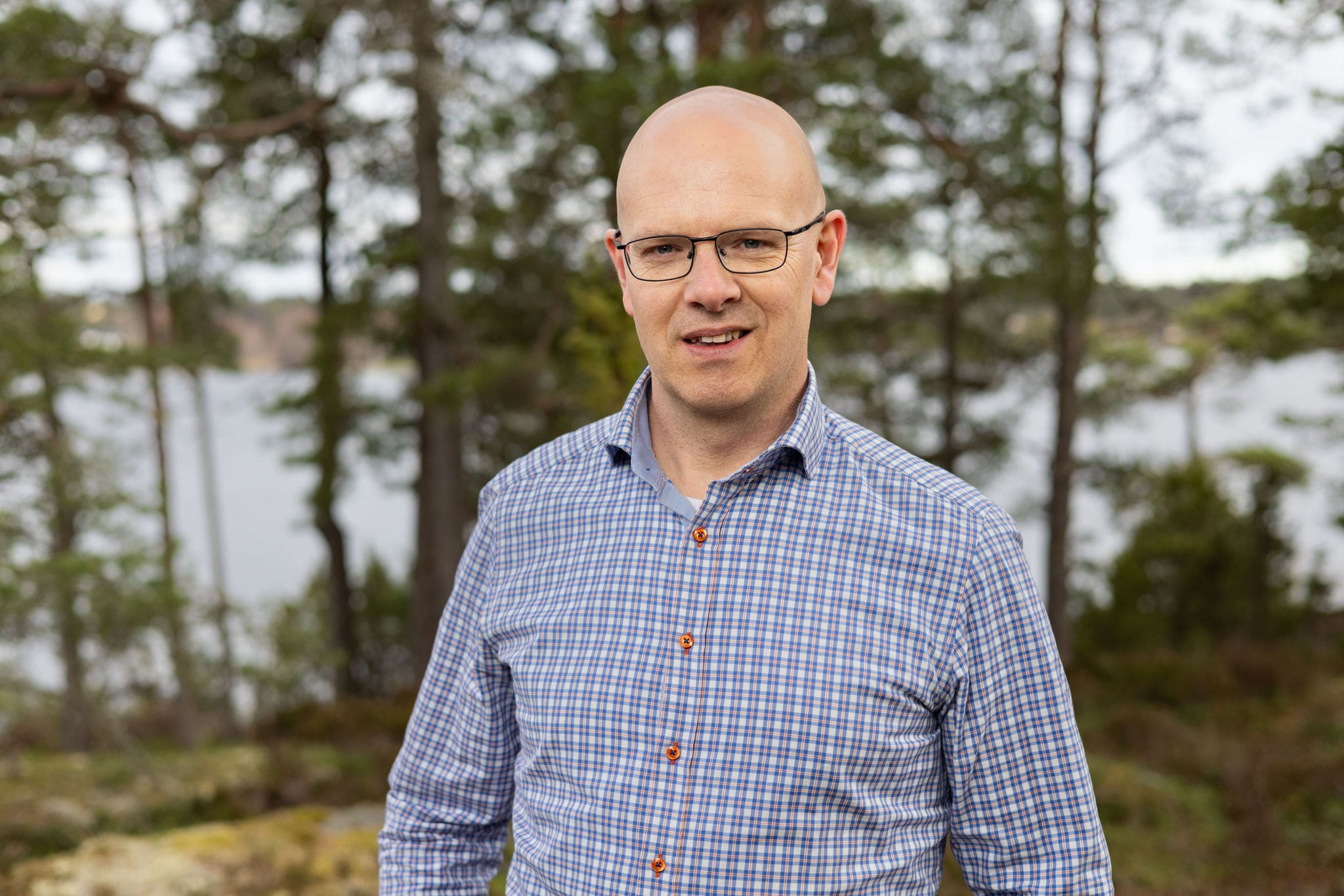
Johan Faskunger
Three quick questions with Johan Faskunger, Project Manager for Euro’Meet 2026 and Senior Advisor at Svenskt Friluftsliv.
About Johan Faskunger
Johan Faskunger is a Senior Advisor at Svenskt Friluftsliv, specialising in physical activity and public health. He produces reports and evidence syntheses and frequently speaks on how research can be turned into practical action and policy within outdoor sports and friluftsliv. He is also the Project Manager for Euro’Meet 2026 in Sundsvall.
Three quick questions
1. Why should people attendEuro’Meet?
Euro’Meet is Europe’s leading conference on outdoor recreation and friluftsliv, attracting everyone from experts and researchers to outdoor organisations and people who work in everyday practice to promote outdoor life, sustainability, and access to nature. It is a participatory conference, which means everyone is encouraged to take an active role. It offers a unique exchange of experience, opportunities to build connections across borders, and is often the first step towards joint projects and collaboration. The conference will give participants tools, inspiration, and a lifelong memory from a unique and attractive location: Södra Berget, Sundsvall.
2. Which of the conference’s three themes do you find most exciting?
All three themes are, of course, essential for friluftsliv and the outdoor movement, but if I must choose, I would say Inclusion & Diversity. For me, that also includes lowering barriers to participation. This theme is such a good example of what can be achieved through outdoor life and the work of associations and organisations. Outdoor life is not only valuable for those who take part in it. It is also a priority public health area, and outdoor recreation has unique potential to reach new and less experienced groups in society. I think this is something many people are eager to learn more about – how to do it in practice, and what challenges need to be addressed.
3. If you could choose one thing that would genuinely help morepeopleget involved in outdoor life – especially groups that are often left out – what would you invest in?
Research is clear that there is no single intervention that can create enough momentum to deliver major change. What is needed is a combination of efforts and long-term collaboration between different actors. I would like to see initiatives where the whole local community is engaged – including outdoor organisations and residents themselves – with the goal of increasing participation in outdoor life and strengthening people’s connection to nature. I believe a great deal can be achieved there with relatively limited resources.
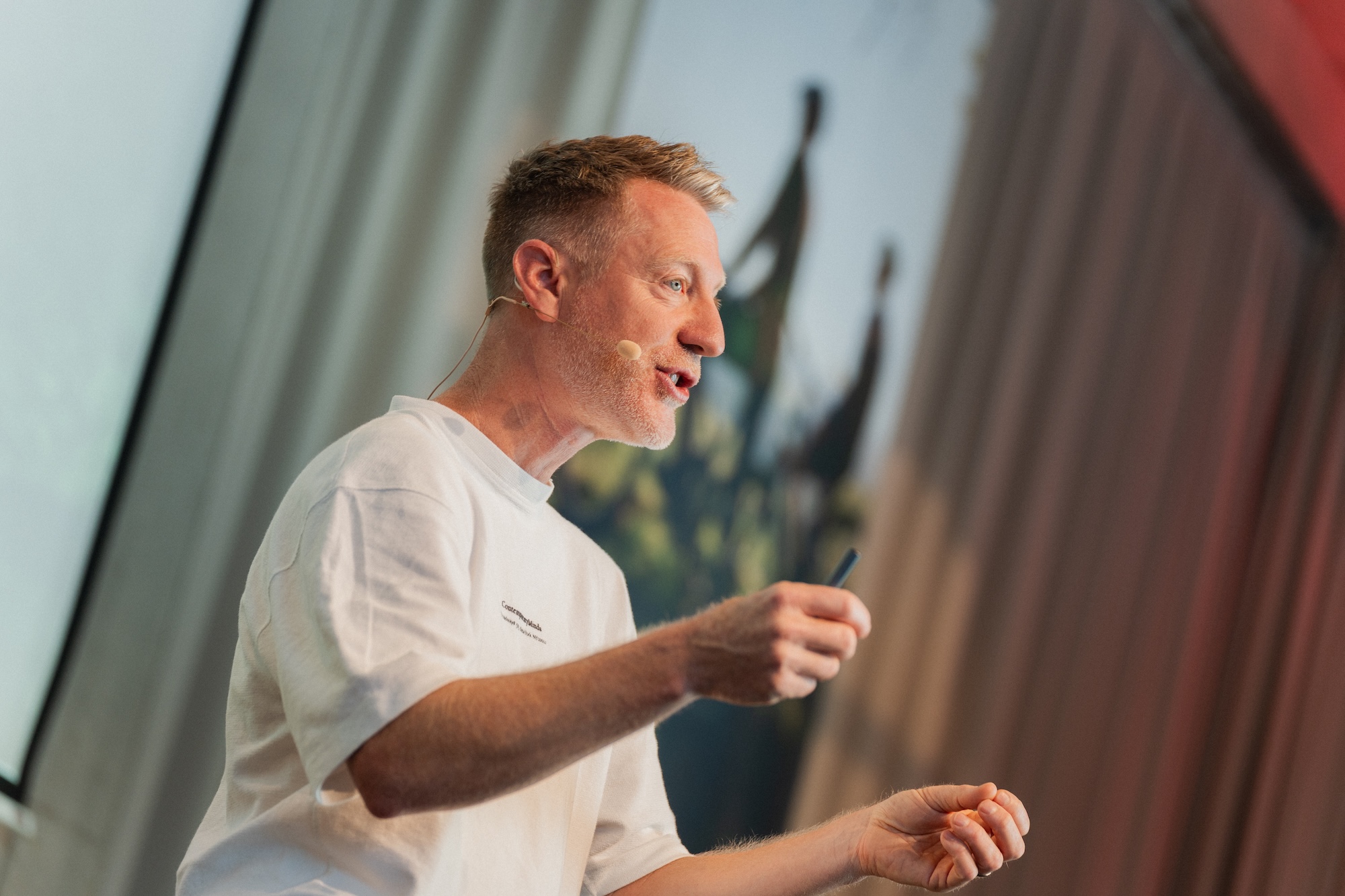
Benjamin Billet
Three quick questions with Benjamin Billet, Chair of the European Network of Outdoor Sports (ENOS).
Three quick questions
1. For readers who may not yet know ENOS, what is the network, and why does it matter today?
ENOS begins from a simple observation: Europe already has strong outdoor cultures and, in several countries, mature policies, institutions and civil society movements. What is still missing is a European space capable of connecting these traditions and addressing the questions that no country, discipline or sector can resolve alone.
Outdoor sports and recreation sit where many public responsibilities meet: health, education, biodiversity, tourism, regional development, spatial planning, mobility, data and social cohesion. Their public value is produced through these relationships, while institutions are usually organised to see one field at a time. ENOS provides the connective capacity. It brings public authorities, sports organisations, researchers, protected areas, voluntary organisations, tourism actors, businesses and practitioners into a common European conversation.
The outdoor community itself is broad and still only partly conscious of its common identity. It includes organised sport, voluntary associations and a vast field of informal participation. Yet freely practised activities do not exist without collective organisation. They rely on rights of access, paths and waterways, public transport, planning, rescue services, information, voluntary work, ecological management and the consent of landowners and local communities.
ENOS succeeds when each member becomes more capable of acting as a changemaker in its own country, organisation and territory, supported by evidence, common language, trusted relationships and collective intelligence. Our purpose is to convert European cooperation into a distributed capacity for change.
2. ENOS believes that, by working together, the outdoor community can strengthen its contribution to society while caring for nature. What are the main challenges and opportunities?
We are facing several transformations at once. Climate change is altering landscapes, seasons and safety conditions. Biodiversity is declining. Digital platforms influence where people go, which practices become desirable and how places are represented. Some areas face growing pressure, while many people still lack meaningful access to outdoor opportunities.
These issues cannot be reduced to a binary choice between participation and nature protection, because that framing leaves the underlying relationship untouched.
Transformative change therefore requires coordinated shifts in views, structures and practices, together with a renewed recognition of human dependence on, and reciprocity with, the living world.
Outdoor experience has a distinctive role because it is one of the few contemporary settings in which environmental knowledge can become situated, embodied and affective. Through movement, effort, exposure, attention, uncertainty and emotion, nature can cease to be an external object, a distant policy concern or a decorative backdrop. A landscape can become a place of dependence, memory, identity and responsibility. Repeated encounters can generate relational values such as attachment, care, reciprocity and belonging.
There is no automatic virtue in being outdoors. The same activity can cultivate attention or convert a place into a product, an image or a performance surface. It can support stewardship or intensify pressure. The sector must therefore continue to reduce its negative externalities by addressing mobility, disturbance, resource use, spatial consumption and the concentration of use in sensitive places.
The opportunity is to make outdoor sports and recreation a practical meeting point between social and ecological transformation. Few areas of public life connect bodily experience, collective wellbeing, cultural change, territorial responsibility and care for the living world so directly.
3. What are you most looking forward to aboutEuro’Meet2026 in Sundsvall?
Returning to Sweden is personally meaningful to me. The years I spent there strongly influenced my understanding of outdoor recreation, public policy and the relationship between freedom, equality and responsibility.
I am also looking forward to discovering Sundsvall and Södra Berget through the people who live and work there. The landscape should be more than a backdrop for the conference. It can ground questions of access, infrastructure, culture and ecological responsibility in a real place. The ambition and openness that Svenskt Friluftsliv and its partners have brought to hosting the event are already a strong expression of what Euro’Meet is meant to be.
Most of all, I look forward to the encounters. At a time when European cooperation is under pressure, spaces where people can think seriously across borders and sectors are not secondary. Europe lives not only through treaties and institutions, but through habits of curiosity, cooperation and solidarity between people who do not begin from the same place.
I hope participants will share what they are proud of and remain open to having some assumptions productively challenged. Sweden has much to offer Europe, and Europe has much to offer Sweden. The most valuable outcome would be more than additional information. I hope people leave with a broader understanding of their own role, new relationships and greater confidence in their capacity to act as changemakers within their organisations and territories.
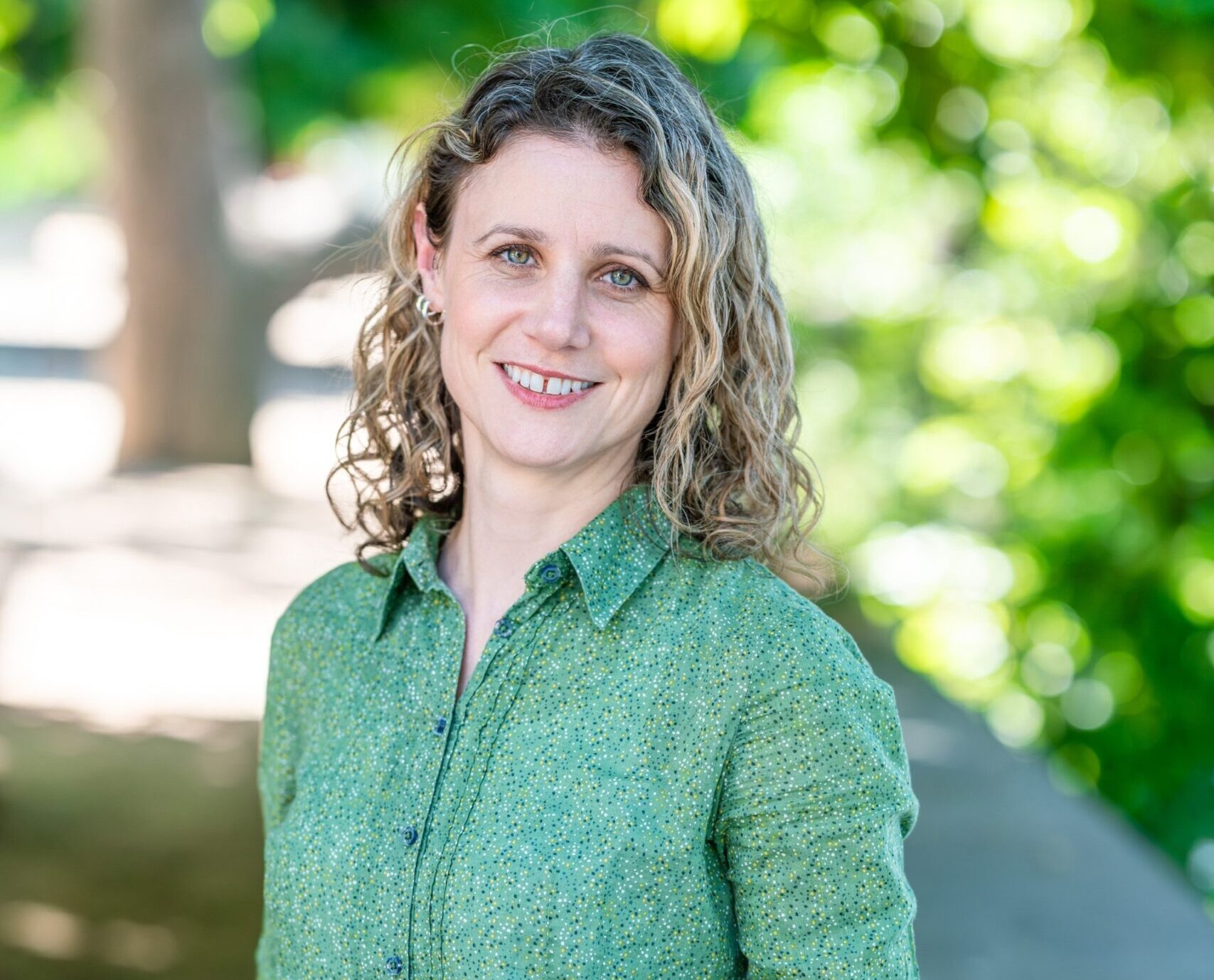
Julia Mildorfova Leventon
Three quick questions with Professor Julia Mildorfova Leventon – keynote speaker at Euro’Meet 2026.
About Julia Mildorfova Leventon
Professor Julia Mildorfova Leventon is Head of the Department of Social Processes and Sustainability at CzechGlobe. Her research focuses on societal transformations for sustainability and sustainability governance. She is also a Coordinating Lead Author of the IPBES Transformative Change Assessment and leads the Horizon Europe project PLUS Change, exploring how land-use planning can address climate, biodiversity and social goals.
Three quick questions
1. It is often said that change is everywhere and happens all the time–sort of the normal state of things. Why, then, is societal change perceived to be so difficult to achieve, especially when it comes to the environment and sustainability? Your research focuses on transformational change for increased sustainability – how can we, as a society, accelerate this change?
Indeed, change is constant and everywhere. Even social change is constant and everywhere. The social world that my kids were born into is very different from that where I grew up. The way we interact with each other, the kinds of jobs they can expect to have, the things they buy and consume – these are all different. Some of these are wonderful changes, and others less so. But all of them are within the same larger trajectory and direction whereby societies are increasingly about the individual, the need to accumulate wealth, and seeing people as separate from nature with the right to dominate and extract from it in order to consume and create wealth.
I simplify here, and it’s not the same for everyone, but in general, this is the trajectory of the world’s dominant societies. But it is also a trajectory that underlies the sustainability challenges that we see today – it drives climate change, biodiversity loss, pollution, and more. Addressing these underlying causes and shifting our overall trajectory of travel is much harder to achieve than the changes that just seem to have spontaneously happened between my childhood and my children’s. But, in good news, we know that it is possible to do. There are many examples from all over the world of people challenging this dominant system, through individual behaviours (e.g. the no-fly movement), community actions (e.g. urban edible gardens; the sharing economy), political movements, and more. We can all help accelerate change by taking any opportunities we have to participate in activities like this, and by making it easier for others to do so.
2. In Sweden, civil society, including the outdoor movement, playsan important rolein promoting public health, physical activity and a sense of meaning in people’s lives. However, the outdoor movement has not traditionally been seen by authorities and politicians as a key actor in promoting and driving societal change towards greater sustainability. Why do you think that is?
I think that if we ask the majority of people to think about changes for sustainability, they think about changes to our consumer choices and behaviours. For example, flying less, eating less meat, recycling more, not buying single-use plastic. These aren’t actions that we associate with the outdoor movement, and indeed the outdoor movement has not been publicly visible in pushing for these kinds of behaviour shifts (though I give credit to many actions taken to shift behaviours at outdoor events such as encouraging public transport or car sharing). Outdoor activities can also run counter to policy decisions that are about conserving nature by keeping people out. However, if we are going to shift this overall trajectory towards one that is more respectful, and less extractive, of nature then sustainability means ensuring that people see themselves as a part of nature, not separate to it.
The outdoor movement already plays a key role in giving people access to nature, and allowing them to live that connection, be aware of it, and value it. Unfortunately, this role can feel less tangible to authorities and is very hard to measure and therefore justify in policy language. But I am hopeful that we are seeing shifts at the policy level to recognise the importance of promoting and valuing respectful human-nature relationships.
3. What are you most looking forward to during your trip to Sweden and Sundsvall?
As an outdoor enthusiast, I am very excited to have a professional reason to engage with the outdoor sports community. I am really interested to see the expertise that will be there, and to explore together how the work you do fits with the work we do in the sustainability world. And I am really looking forward to participating in the outdoor activities!
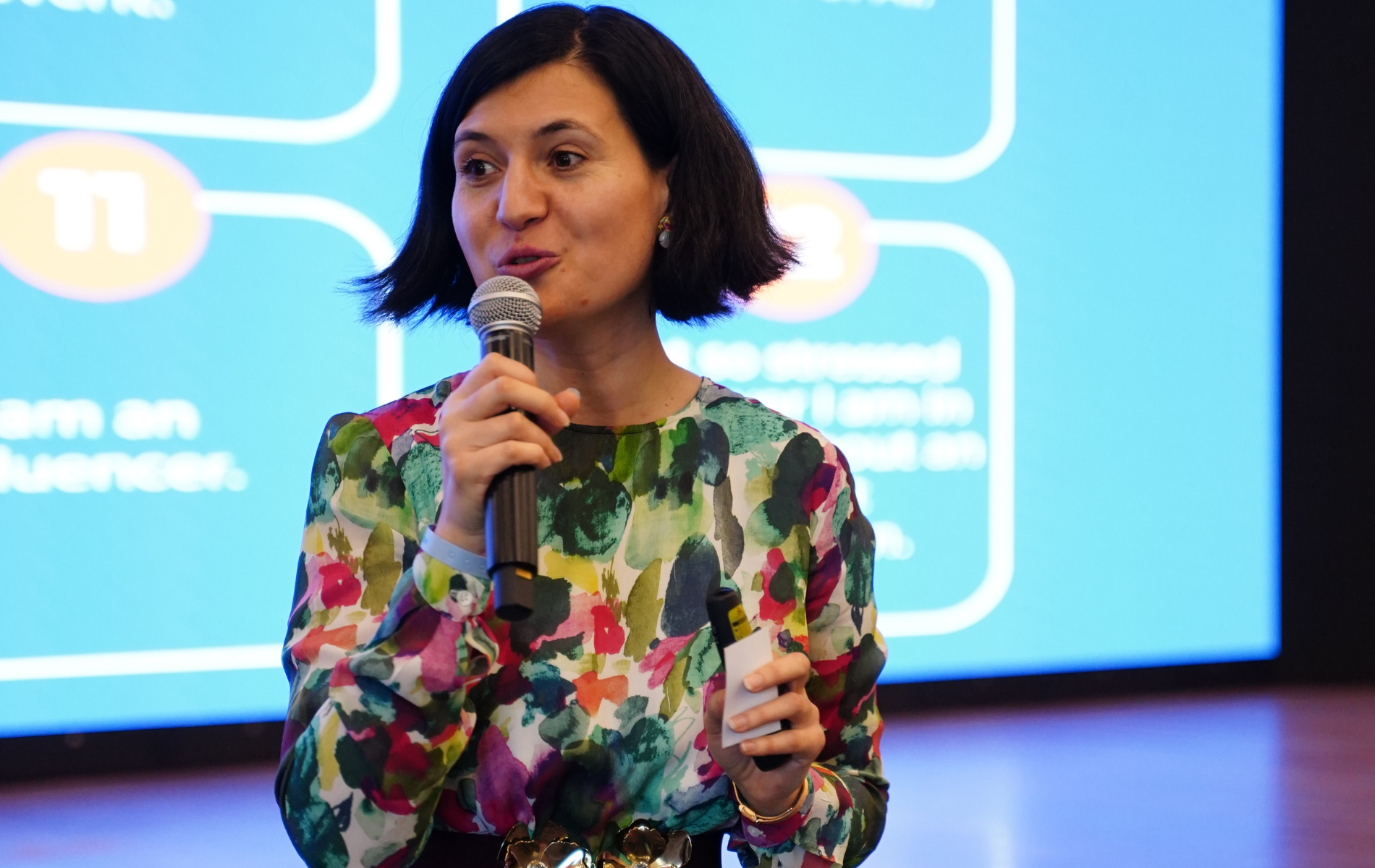
Raluca Diroescu
About Raluca Diroescu
Raluca Diroescu is an ENOS Executive Committee Member and International Programme Specialist with extensive experience in European cooperation and capacity-building. Her work spans youth, education, training, sport and outdoor recreation, bringing together people and organisations across Europe. Raluca has been involved with ENOS since facilitating Euro’Meet 2022 in Silkeborg, Denmark, and is passionate about creating connections and opportunities for collaboration across borders.
Three quick questions
1. As moderator forEuro’Meet2026, you will play a central role in the conference. Tell us a little about yourself and your work in the outdoor sector.
I am a Programme Manager with over 15 years of experience leading European cooperation and capacity-building projects across youth, education, training, and sport. Originally from Romania, I have spent nearly two decades living in France, Belgium, Estonia, and now Portugal, while working across almost 30 countries. Across all these roles, my core passion has always been bringing diverse people together and helping them achieve their potential.
While I have long been an avid trekker, my professional journey in the outdoor sector truly began when I facilitated Euro’Meet 2022 in Silkeborg, Denmark. That experience was transformative – it opened the door to an inspiring, driven community that instantly felt like family. Soon after, I had the honour of joining the ENOS Board, where I have been actively contributing since late 2022. I am thrilled to step back onto the Euro’Meet stage, bringing my international background and love for the outdoors to help guide this vibrant community forward.
2. Euro’Meet2026 focuses on three main themes: sustainability, access and accessibility, and togetherness. At the same time, the conference explores how the outdoor sector can create value for society. As moderator, how will you bring these themes and perspectives to life throughout the conference?
As moderator, I see Euro’Meet 2026 as a shared journey for everyone in the room. My role is to connect the dots between each session and help attendees turn big ideas into real value for our communities.
To bring togetherness to life, I will create an open, warm atmosphere where the audience and speakers can easily talk, share experiences, and build strong partnerships. For access and accessibility, I will keep the language clear, welcome diverse voices, and make sure everyone feels included. When talking about sustainability, I will guide conversations towards simple, practical solutions that show how the outdoors can improve public health, local economies, and nature protection.
By connecting these themes throughout the event, I will ensure every participant leaves with clear knowledge, fresh inspiration, and the motivation to make a lasting difference back home.
3. What are you most looking forward to about your trip to Sweden in September?
Sweden is honestly one of my absolute favourite countries to work in! What I am looking forward to the most is experiencing Swedish nature in the autumn – there is something truly special about being outdoors as the seasons change. And of course, on a personal note, I cannot wait to slow down for a proper fika and enjoy a fresh kanelbulle, which is easily one of my all-time favourite treats. Most of all, I’m excited to share these moments with the fantastic Euro’Meet community.
Secure your spot!
Registration for Euro’Meet 2026 is now open, with early-bird rates available for a limited time.
You can also explore the first draft of the three-day conference programme, learn more about selected outdoor activities, and find practical information on travel to and accommodation in Sundsvall.
In the months leading up to the conference, we will introduce speakers, organisers, and contributors through a series of mini interviews – offering insights into the people, ideas, and perspectives that shape Euro’Meet 2026.
It’s time to secure your place among colleagues, practitioners, researchers, and outdoor enthusiasts from across Europe for three days of shared experiences, open knowledge-sharing, and meaningful conversations.
Host and partners


